
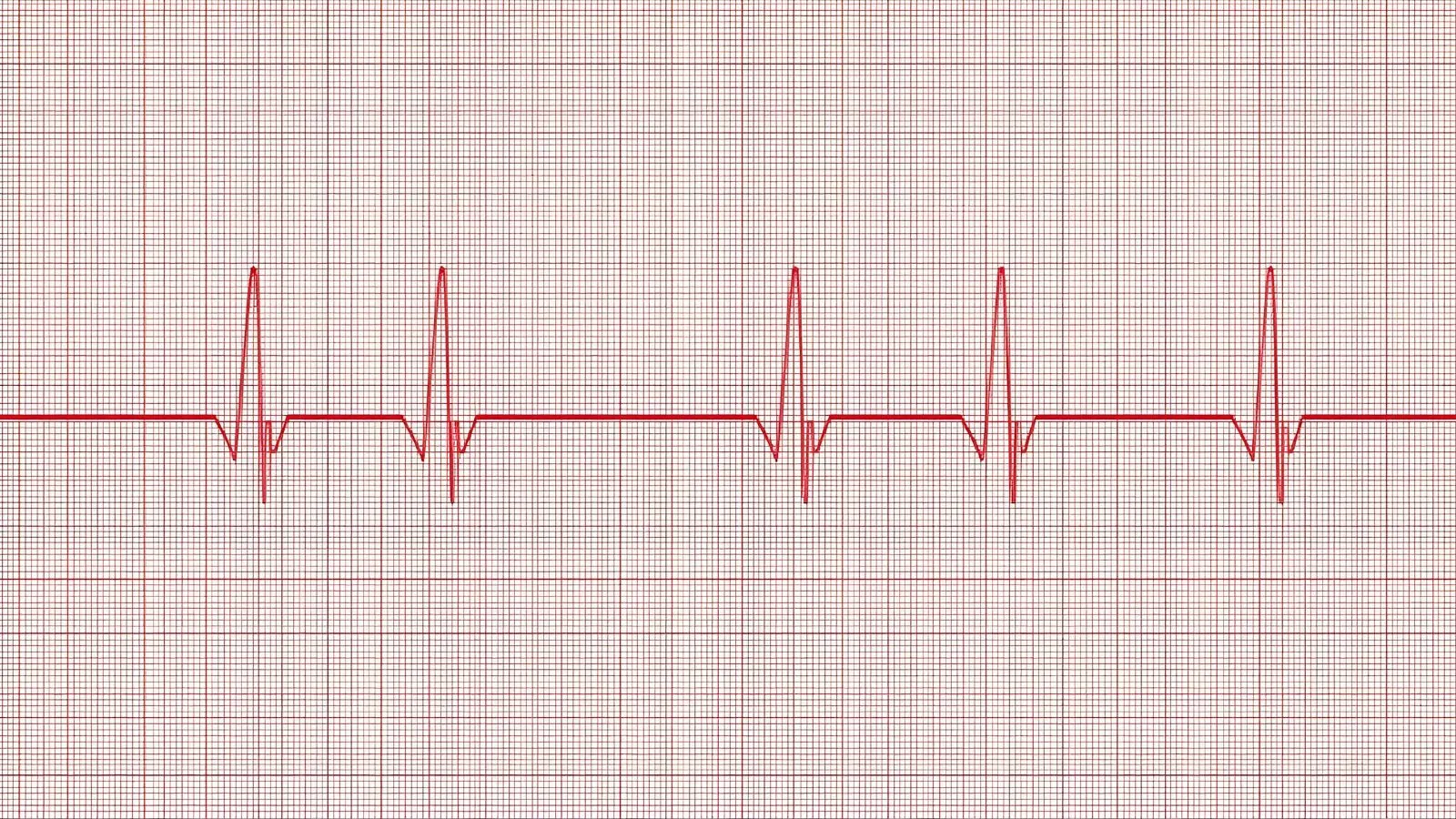
I still remember the first time I saw the phrase “borderline ECG” on a medical report. I stared at it like it was some mysterious code I was never meant to understand. My first reaction was, “Wait… borderline? As in almost bad? Or almost normal? What does that even mean?” If you’ve landed here, you’ve probably had the exact same “uhhh… should I be worried?” moment. 😅
Don’t stress — you’re not alone, and the meaning is actually simpler than it sounds.
Quick Answer: “Borderline ECG” means your heart’s electrical reading is not fully normal, but not clearly abnormal either. It’s like a “gray area” result that may or may not mean anything significant.
Let’s dive in!
🧠 What Does Borderline ECG Mean in Text?
A borderline ECG (or borderline EKG) means that the reading from your electrocardiogram shows minor irregularities that don’t clearly indicate a problem — but also don’t look perfectly normal. Doctors use this label when the results fall between normal and abnormal.
It does NOT mean something is definitely wrong. It usually means:
👉 “We see something slightly unusual, but we’re not sure it matters yet.”
Example:
“Your ECG was borderline, so we may repeat it or compare it with a previous test.”
In short: Borderline ECG = Slightly unusual reading = Not clearly normal or dangerous.
📱 Where Is “Borderline ECG” Commonly Used?
Even though it isn’t slang, the phrase shows up a lot in digital communication:
- 🧑⚕️ Medical reports
- 📱 Patient portals
- 💬 Text conversations with doctors or nurses
- 📄 Health insurance summaries
- 🧑💻 Online health forums
- 📚 Medical articles or lab result explanations
Tone:
- Not casual
- Not flirty
- Not slang
- Used in medical or semi-formal contexts, often to reassure or explain a test result.
💬 Examples of “Borderline ECG” in Conversation
Here are realistic text-style examples showing how someone might use the phrase:
1.
A: “Did you get your test results?”
B: “yeah… it says ‘borderline ecg’ 😕 idk what that means.”
2.
A: “omg are you okay??”
B: “doc said it’s probably nothing, just a borderline ecg. i need a follow-up.”
3.
A: “How’d your checkup go?”
B: “mostly good, just borderline ecg so they wanna recheck.”
4.
A: “Sounds scary 😟”
B: “honestly the nurse said lots of ppl get borderline readings.”
5.
A: “Should I be worried??”
B: “nah, they said borderline ecg just means they wanna double-check.”
6.
A: “Any update?”
B: “repeat test next week. still borderline but doc says not urgent.”
7.
A: “what does ‘borderline’ even mean??”
B: “basically like… ‘not normal, not bad’ lol.”
🕓 When to Use and When Not to Use “Borderline ECG”
✅ When to Use
Use the phrase when:
- Referring to a medical report result
- Talking about your ECG findings with friends/family
- Messaging your doctor for clarification
- Explaining why you’re getting a repeat test
- Discussing health updates in a calm, informational way
❌ When Not to Use
Avoid using it when:
- Talking in formal business or work settings
- Explaining something unrelated to medical results
- Trying to diagnose someone (leave that to actual professionals)
- Making assumptions about someone’s health
- Using it casually like slang — because it isn’t
Comparison Table
| Context | Example Phrase | Why It Works |
| Friend Chat | “doc said it’s just a borderline ecg ❤️🩹” | Casual, informative, reassuring |
| Work Chat | “I have a follow-up due to a borderline ECG result.” | Polite & professional |
| “My ECG results were borderline, so I have an additional appointment scheduled.” | Clear, formal, appropriate | |
| Doctor Message | “Can you explain what borderline ECG means for my case?” | Direct & medically relevant |
🔄 Similar Slang Words or Alternatives
Here are alternative ways people might phrase the same idea:
| Term / Phrase | Meaning | When to Use |
| “Slightly abnormal ECG” | Minor irregularities found | When you want clearer wording |
| “Inconclusive ECG” | Results aren’t definitive | When a follow-up test is needed |
| “Non-specific findings” | Nothing clearly wrong, but not perfect | When describing mild ECG changes |
| “Needs follow-up” | Test result isn’t final | When scheduling repeat tests |
| “Minor ECG changes” | Small changes but not alarming | When reassuring someone |
| “Borderline reading” | General gray-area result (not just ECGs) | When discussing other medical tests |
❓ FAQs About Borderline ECG
1. Is a borderline ECG serious?
Not usually. “Borderline” typically means the doctor wants a second look, not that there’s a confirmed problem.
2. Does borderline ECG mean heart disease?
No — most borderline readings end up being harmless, temporary, or due to normal variations.
3. Can stress or anxiety cause a borderline ECG?
Yes! Stress, caffeine, lack of sleep, or movement during the test can all influence results.
4. Will I need more tests?
Often yes — doctors usually repeat the ECG or compare it with older ones to be sure.
5. Can a borderline ECG become normal?
Absolutely. Many people have a borderline ECG one day and a completely normal one the next.
6. Should I panic?
No. It’s a common phrase that usually means, “We just want to double-check.”
7. Is this a diagnosis?
No — it’s a description of the test, not a confirmed medical condition.
Conclusion
Understanding a borderline ECG can feel confusing, but it usually isn’t a reason to panic. The term simply means that the results were not fully normal, yet not clearly abnormal either. Many times, small variations in heart rhythm, stress, dehydration, anxiety, or even incorrect lead placement can cause these readings.
If you receive a borderline ECG, the best next step is to discuss the report with your doctor, who can decide whether you need further testing or if everything is likely okay. Remember, an ECG is just one piece of your health puzzle, and your doctor will consider symptoms, history, and additional tests to give you a clear answer.

I’m Jane Austen, a content writer at SmartRaply.com. I create clear, engaging, and reader-friendly articles on modern and trending topics. My goal is to deliver high-quality content that informs, inspires, and keeps readers hooked.